
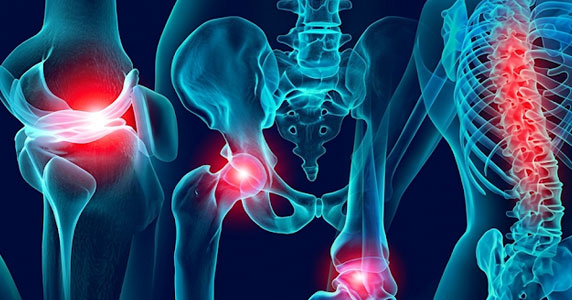
Complex orthopaedic trauma refers to severe injuries involving multiple fractures, joint injuries, high-energy trauma, or damage to bones, muscles, ligaments, and surrounding soft tissues. These injuries commonly result from road traffic accidents, falls from height, sports injuries, or other major accidents and often require specialized surgical management for optimal recovery.
Successful treatment begins with a thorough clinical evaluation and advanced imaging studies to accurately assess the extent of injury. Depending on the fracture pattern and overall condition of the patient, treatment may include fracture fixation, joint reconstruction, minimally invasive procedures, or complex reconstructive surgery. The primary goals are to restore alignment, preserve joint function, promote bone healing, and enable patients to return to their normal activities safely.
Dr. Aadil Jawre provides comprehensive care for complex orthopaedic trauma using evidence-based treatment protocols and advanced surgical techniques. Every treatment plan is individualized to ensure the best possible functional outcome, early rehabilitation, and long-term recovery.
Specialized evaluation and treatment are available for a wide range of traumatic orthopaedic injuries, including:
Each patient receives a personalized treatment strategy designed to restore bone alignment, joint stability, and overall limb function.
Prompt diagnosis and timely surgical intervention can significantly improve recovery and reduce long-term complications.
Dr. Aadil Jawre offers comprehensive management of complex orthopaedic trauma with a focus on precise fracture reconstruction, advanced surgical techniques, and personalized rehabilitation. His evidence-based approach aims to restore mobility, preserve joint function, relieve pain, and help patients safely return to their daily activities.
Complex orthopaedic trauma involves severe bone, joint, or soft tissue injuries, often resulting from road accidents, falls, sports injuries, or other high-impact trauma. These injuries usually require specialized surgical treatment and rehabilitation.
Complex orthopaedic trauma is commonly caused by road traffic accidents, falls from height, sports injuries, industrial accidents, and other high-energy injuries that result in multiple fractures or severe damage to bones and joints.
Severe pain, swelling, deformity, inability to move or bear weight, open wounds, numbness, and loss of limb function are common signs of a serious orthopaedic injury that require immediate medical attention.
Surgery is recommended when fractures are displaced, unstable, involve joints, are open (compound), or cannot heal properly with conservative treatment. Surgical fixation helps restore alignment and stability.
Recovery depends on the severity of the injury, the type of surgery performed, and the patient's overall health. Most patients require rehabilitation and regular follow-up to regain strength and mobility.
With appropriate treatment, rehabilitation, and follow-up care, many patients are able to return to their daily activities, work, and recreational pursuits, although recovery time varies depending on the complexity of the injury.