
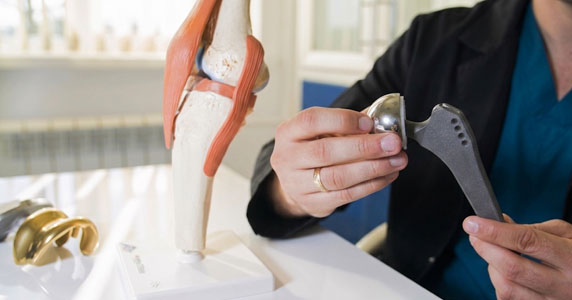
Revision Joint Replacement is a specialized surgical procedure performed when a previous hip or knee replacement no longer functions properly or develops complications over time. Although modern joint replacements are highly successful, some patients may require a second surgery due to implant wear, loosening, infection, instability, fractures around the implant, or persistent pain. Revision surgery aims to restore joint function, relieve pain, and improve long-term mobility.
Revision procedures are generally more complex than primary joint replacement surgery because they often involve removing existing implants, addressing bone loss, correcting alignment, and placing new prosthetic components. Careful pre-operative planning, advanced imaging, and meticulous surgical techniques are essential to achieve successful outcomes and minimize complications.
Dr. Aadil Jawre provides comprehensive evaluation and personalized management for patients requiring Revision Joint Replacement. Every treatment plan is based on a detailed assessment of the existing implant, the underlying cause of failure, and the patient's overall health to help restore comfort, stability, and long-term joint function.
Revision Joint Replacement may be recommended for various complications following a previous hip or knee replacement, including:
Every patient undergoes a detailed clinical evaluation to identify the cause of implant failure and determine the most appropriate revision procedure.
When performed for the right indication, Revision Joint Replacement offers several important benefits.
Dr. Aadil Jawre offers evidence-based care for patients requiring Revision Joint Replacement. With detailed surgical planning, advanced orthopaedic techniques, and personalized rehabilitation protocols, he focuses on relieving pain, restoring joint stability, improving mobility, and helping patients return to an active lifestyle.
Revision Joint Replacement is a surgical procedure performed to replace or repair a previously implanted hip or knee prosthesis that has failed due to wear, loosening, infection, instability, fracture, or other complications.
Revision Joint Replacement is recommended when a previous hip or knee replacement causes persistent pain, implant loosening, infection, instability, fracture around the implant, excessive wear, or failure to function properly.
Joint replacements may fail due to implant wear over time, loosening, infection, dislocation, fractures around the implant, bone loss, or excessive stress on the artificial joint. A detailed evaluation helps determine the exact cause.
Planning includes a comprehensive clinical examination, X-rays, CT scans, blood investigations, and evaluation of the existing implant. This helps identify the underlying problem and determine the most appropriate revision strategy.
In many patients, Revision Joint Replacement significantly reduces pain, improves joint stability, restores mobility, and enhances quality of life when the underlying cause of implant failure is successfully treated.
Most patients can gradually return to daily activities after completing rehabilitation. Your surgeon will provide personalized guidance regarding walking, driving, work, and recreational activities based on your recovery progress.