
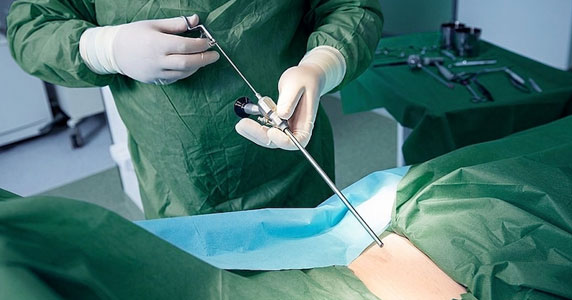
Endoscopic Spine Surgery is an advanced minimally invasive surgical technique used to treat various spinal conditions through very small incisions. Unlike traditional open spine surgery, this procedure utilizes a high-definition endoscope equipped with a tiny camera and specialized surgical instruments, allowing the surgeon to clearly visualize the affected area while minimizing disruption to surrounding muscles and healthy tissues.
This modern approach is designed to relieve pressure on compressed nerves, reduce pain, and restore normal spinal function with greater precision. Because the procedure requires only a small incision, patients often experience less post-operative pain, minimal blood loss, reduced risk of complications, shorter hospital stays, and a faster return to their daily activities.
Dr. Aadil Jawre specializes in Endoscopic Spine Surgery for carefully selected patients suffering from various spinal disorders. After a comprehensive clinical evaluation and detailed imaging studies, a personalized treatment plan is developed to determine whether endoscopic surgery is the most suitable option based on the patient's condition, symptoms, and overall health.
Endoscopic Spine Surgery may be recommended for the treatment of several spinal conditions, including:
The suitability of endoscopic surgery depends on the specific spinal condition and is determined after a thorough evaluation by the spine specialist.
Compared to conventional open spine surgery, endoscopic spine surgery offers several potential advantages:
Dr. Aadil Jawre provides evidence-based, patient-centered spine care using the latest advancements in minimally invasive surgical techniques. His approach focuses on accurate diagnosis, personalized treatment planning, and selecting the most appropriate surgical option for each patient. By combining advanced technology with clinical expertise, he aims to deliver safe, effective treatment that helps patients regain mobility, reduce pain, and return to an active lifestyle with confidence.
Endoscopic Spine Surgery is a minimally invasive procedure that uses a small camera (endoscope) and specialized instruments to treat spinal conditions through tiny incisions. It helps reduce pain, preserve healthy tissues, and promote faster recovery.
Patients with conditions such as a slipped disc, sciatica, spinal stenosis, nerve compression, or certain degenerative spine disorders may be suitable candidates. A detailed clinical evaluation and imaging studies help determine if this procedure is appropriate.
Yes. When performed by an experienced spine surgeon on appropriately selected patients, Endoscopic Spine Surgery is considered a safe and effective treatment option. Every patient undergoes a thorough evaluation before surgery is recommended.
Recovery varies depending on the patient's condition and the procedure performed. Many patients are able to walk shortly after surgery and gradually return to their normal activities within a few weeks, following their surgeon's advice.
Most patients require only a short hospital stay. Depending on the procedure and individual recovery, some patients may even be discharged within a day or two after surgery.