
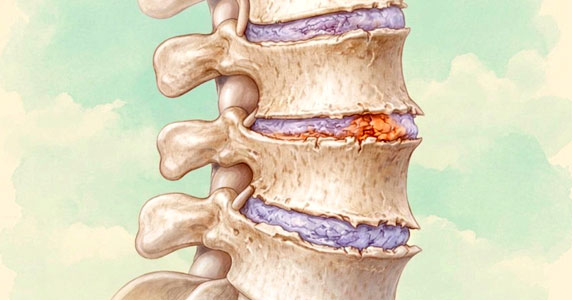
Degenerative disorders of the spine are age-related conditions that affect the spinal discs, joints, ligaments, and vertebrae over time. As these structures gradually wear down, they can cause chronic neck or back pain, stiffness, numbness, tingling, weakness, and reduced mobility. While degeneration is a natural part of aging, symptoms can significantly affect daily activities and quality of life if left untreated.
Accurate diagnosis begins with a detailed clinical examination and advanced imaging studies such as X-rays, MRI, or CT scans to identify the underlying cause of symptoms. Treatment is individualized and may include medications, physiotherapy, lifestyle modifications, spinal injections, or advanced minimally invasive and surgical procedures for patients who do not respond to conservative treatment.
Dr. Aadil Jawre provides comprehensive evaluation and management of degenerative spine disorders using evidence-based treatment protocols and advanced surgical techniques whenever required. His goal is to relieve pain, improve spinal function, restore mobility, and help patients return to an active and independent lifestyle.
Comprehensive care is available for a wide range of age-related spinal conditions, including:
Every patient receives a personalized treatment plan based on the severity of degeneration, symptoms, imaging findings, and overall health.
Early diagnosis and appropriate treatment can help slow disease progression and improve long-term spinal health.
Dr. Aadil Jawre offers patient-centered, evidence-based care for degenerative spine disorders with expertise in Minimally Invasive Spine Surgery, Endoscopic Spine Surgery, and Robotic Spine Surgery. His personalized treatment approach focuses on relieving pain, preserving spinal function, and helping patients regain mobility with the least invasive treatment whenever possible.
Degenerative spine disorders are age-related conditions that cause gradual wear and tear of the spinal discs, joints, and bones, leading to pain, stiffness, nerve compression, and reduced mobility.
Degenerative spine disorders commonly develop due to the natural aging process. Factors such as repetitive strain, poor posture, obesity, previous spinal injuries, smoking, and genetic predisposition may also accelerate spinal degeneration.
Symptoms may include chronic neck or back pain, stiffness, numbness, tingling, weakness in the arms or legs, difficulty walking, reduced flexibility, and pain that worsens with prolonged standing or activity.
Depending on the condition, treatment may include Endoscopic Spine Surgery, Minimally Invasive Spine Surgery, Robotic Spine Surgery, spinal decompression, or spinal stabilization procedures tailored to the patient's specific needs.
Recovery varies according to the procedure performed and the patient's overall health. Patients undergoing minimally invasive procedures often experience less pain, shorter hospital stays, and a quicker return to normal activities.
Yes. Physiotherapy plays an important role in strengthening spinal muscles, improving flexibility, restoring mobility, and preventing future spinal problems after both conservative and surgical treatment.