
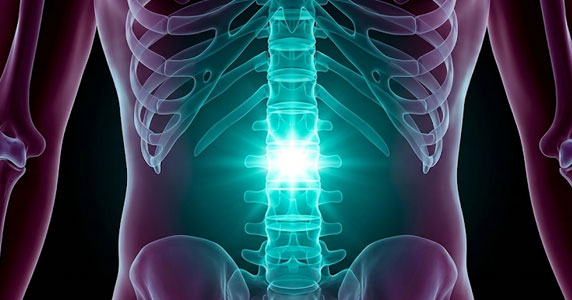
Spine infections are serious conditions caused by bacteria, fungi, or other microorganisms affecting the vertebrae, intervertebral discs, or surrounding spinal tissues. Although relatively uncommon, these infections require early diagnosis and prompt treatment to prevent complications such as persistent pain, spinal instability, neurological deficits, or permanent damage to the spine.
Patients with spine infections may experience severe back or neck pain, fever, fatigue, difficulty walking, or weakness in the arms or legs. Diagnosis involves a detailed clinical examination along with blood investigations, MRI scans, CT scans, and other imaging studies to accurately identify the source and extent of the infection. Treatment may include antibiotics, medications, image-guided procedures, or surgery depending on the severity of the condition.
Dr. Aadil Jawre provides comprehensive evaluation and treatment for spinal infections using evidence-based treatment protocols. His approach focuses on eliminating infection, relieving pain, preserving spinal stability, protecting neurological function, and helping patients recover safely through individualized treatment plans.
Spine infection management includes diagnosis and treatment of various infectious spinal conditions, including:
Treatment is carefully planned based on the type of infection, severity, spinal stability, neurological involvement, and the patient's overall health.
Early diagnosis and timely treatment help prevent complications and improve recovery outcomes.
Dr. Aadil Jawre provides evidence-based care for patients with spinal infections through accurate diagnosis, personalized treatment planning, and advanced surgical management whenever required. His goal is to eradicate infection, preserve spinal stability, relieve pain, and help patients return to their daily lives with improved function and confidence.
A spine infection occurs when bacteria, fungi, or other microorganisms infect the bones, discs, or surrounding tissues of the spine. Early diagnosis and treatment are essential to prevent serious complications.
Spine infections are most commonly caused by bacteria, but they can also result from fungal infections or tuberculosis (TB). The infection may spread through the bloodstream or develop after spinal surgery or injury.
Common symptoms include persistent back or neck pain, fever, chills, fatigue, difficulty walking, muscle weakness, numbness, and, in severe cases, neurological symptoms due to nerve compression.
If left untreated, spine infections can lead to spinal deformity, instability, nerve damage, or paralysis. Early diagnosis and timely treatment greatly reduce the risk of long-term complications.
Yes. Physiotherapy is often recommended after recovery to improve strength, flexibility, posture, spinal mobility, and overall functional recovery while reducing the risk of future problems.