
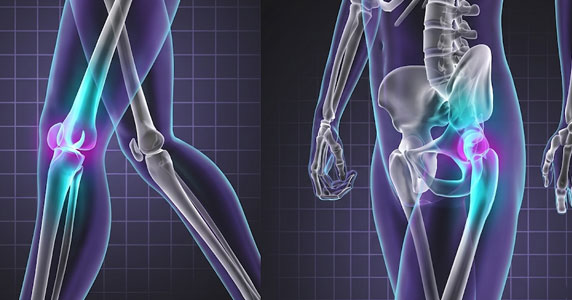
Hip and Knee Replacement is an advanced orthopaedic procedure performed to relieve chronic joint pain, restore mobility, and improve quality of life when conservative treatments no longer provide adequate relief. Conditions such as severe osteoarthritis, rheumatoid arthritis, post-traumatic arthritis, avascular necrosis, and joint deformities can gradually damage the hip or knee joint, making everyday activities difficult and painful.
Joint replacement surgery involves replacing the damaged portions of the hip or knee with high-quality artificial implants designed to restore smooth joint movement and function. Careful pre-operative evaluation, advanced surgical planning, and modern operative techniques help achieve better alignment, improved joint function, and long-lasting results. Many patients experience significant pain relief and regain the ability to walk, climb stairs, and perform daily activities comfortably.
Dr. Aadil Jawre provides comprehensive evaluation and personalized treatment for patients requiring Hip and Knee Replacement Surgery. His evidence-based approach focuses on selecting the most appropriate treatment for each individual, ensuring safe surgery, faster recovery, and long-term improvement in mobility and overall quality of life.
Hip and Knee Replacement surgery may be recommended for various joint disorders, including:
Each patient receives a detailed clinical assessment to determine whether joint replacement is the most suitable treatment option.
Modern joint replacement surgery offers several important benefits for patients suffering from severe joint disease.
Dr. Aadil Jawre offers comprehensive Hip and Knee Replacement care with a patient-centered, evidence-based approach. From detailed diagnosis and surgical planning to rehabilitation and long-term follow-up, every stage of treatment is tailored to help patients achieve lasting pain relief, improved mobility, and a better quality of life.
Hip and Knee Replacement Surgery involves replacing damaged joint surfaces with artificial implants to relieve pain, restore movement, and improve joint function when conservative treatments are no longer effective.
Most patients are encouraged to stand and begin walking with assistance within 24 hours after surgery. Early mobilization helps improve recovery, reduce complications, and restore confidence.
Recovery varies from patient to patient. Many individuals resume routine daily activities within a few weeks, while complete recovery and maximum improvement may take several months with regular physiotherapy.
Yes. Physiotherapy is an essential part of recovery and helps improve joint strength, flexibility, balance, walking ability, and overall function while supporting a safe return to daily activities.
Modern joint replacement implants are designed to be durable and can last for many years. Their lifespan depends on factors such as activity level, overall health, body weight, and regular follow-up care.
Yes. Most patients can return to walking, climbing stairs, driving, and other routine daily activities after recovery. Your surgeon will provide guidance on when it is safe to resume work, exercise, and recreational activities.