
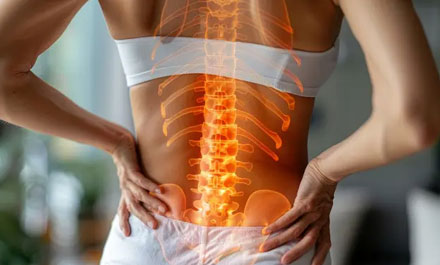
While most back pain improves with rest and conservative treatment, certain warning signs may indicate an underlying spinal condition that requires prompt medical evaluation.
Back pain is one of the most common health problems affecting people of all ages. It may develop after lifting a heavy object, sitting for long hours, sports injuries, or simply due to age-related changes in the spine. In many cases, the discomfort improves with rest, medications, physiotherapy, and lifestyle modifications. However, persistent or worsening back pain should never be ignored, especially when it begins to interfere with daily activities or is accompanied by other symptoms.
Understanding the warning signs of serious spinal conditions can help you seek timely medical attention and avoid long-term complications. Early diagnosis often leads to more effective treatment and better recovery, whether through conservative care or advanced surgical techniques when required.
Dr. Aadil Jawre, Consultant Spine & Orthopaedic Surgeon, provides comprehensive evaluation and treatment for a wide range of spinal disorders. Using evidence-based treatment plans and advanced surgical techniques when necessary, he focuses on helping patients regain mobility, reduce pain, and improve their quality of life.
Back pain can originate from muscles, ligaments, joints, intervertebral discs, nerves, or bones of the spine. The severity may range from mild discomfort to severe pain that affects movement and daily activities. Some episodes last only a few days, while others may become chronic and require specialized treatment.
Identifying the underlying cause is essential because treatment varies depending on the condition. A proper clinical examination and appropriate imaging studies help determine the most suitable treatment plan.
Back pain can result from several spinal and musculoskeletal conditions. Some of the most common causes include:
Although many causes are not serious, persistent symptoms should always be evaluated to identify any underlying spinal condition requiring specialized care.
Certain symptoms may indicate that back pain is caused by a more serious condition. If you experience any of the following, consult a spine specialist without delay:
These symptoms do not always indicate a serious condition, but they should never be ignored. A timely medical evaluation helps identify the cause and allows treatment to begin before complications develop.
Most patients recover with non-surgical treatment, but consultation with a spine surgeon becomes important when symptoms persist despite appropriate conservative care or when neurological symptoms develop.
You should seek specialist consultation if:
Early consultation allows timely diagnosis and helps determine whether non-surgical treatment or advanced spine surgery is the most appropriate option for your condition.
Accurate diagnosis is the foundation of successful treatment. During your consultation, your spine specialist will review your medical history, perform a detailed physical examination, and recommend investigations if necessary.
Common diagnostic tests may include:
These investigations help identify the exact cause of symptoms and guide a personalized treatment plan for each patient.
The treatment for back pain depends on its underlying cause, severity, and how long the symptoms have been present. Most patients improve with conservative treatment, while some may require advanced surgical intervention if non-surgical measures fail or neurological symptoms develop.
Your treatment plan may include:
Surgery is generally recommended only when conservative treatment has not provided adequate relief or when there is significant nerve compression, spinal instability, or other conditions requiring surgical management.
Although not every spinal condition can be prevented, adopting healthy habits can significantly reduce the risk of developing back pain and help maintain a healthy spine.
Small lifestyle changes can make a significant difference in maintaining spinal health and reducing the likelihood of recurring back pain.
Recovery depends on the specific diagnosis and treatment received. Many patients experience significant improvement with physiotherapy and conservative care, while those undergoing spine surgery follow a structured rehabilitation program designed to restore mobility, flexibility, and strength.
During recovery, patients are encouraged to:
Following your doctor's advice and rehabilitation plan plays an important role in achieving long-term pain relief and preventing future spinal problems.
Dr. Aadil Jawre is a Consultant Spine & Orthopaedic Surgeon dedicated to providing comprehensive, evidence-based care for patients with spinal and orthopaedic conditions. He offers individualized treatment plans tailored to each patient's diagnosis, symptoms, lifestyle, and functional goals.
His expertise includes Endoscopic Spine Surgery, Robotic Spine Surgery, Minimally Invasive Spine Surgery, Spine Trauma, Spine Infections, Spine Tumours, Degenerative Spine Disorders, Revision Spine Surgery, Hip & Knee Replacement, and Complex Orthopaedic Trauma. Using modern surgical techniques and patient-centered care, he aims to help patients regain mobility, reduce pain, and return to an active lifestyle.
While occasional back pain is common and often resolves with simple treatment, persistent or worsening symptoms should never be ignored. Recognizing the warning signs early allows timely diagnosis and appropriate treatment, reducing the risk of long-term complications.
If your back pain is affecting your daily activities, causing numbness, weakness, or radiating pain, consult an experienced spine specialist without delay. Early intervention, an accurate diagnosis, and a personalized treatment plan can help restore spinal health, improve mobility, and enhance your overall quality of life.