
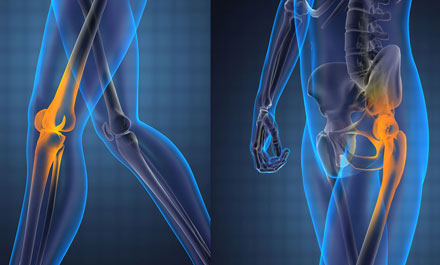
Hip and Knee Replacement Surgery can help relieve chronic joint pain, restore mobility, and improve quality of life when conservative treatments no longer provide adequate relief.
Hip and knee joints play a vital role in our everyday activities, from walking and climbing stairs to sitting, standing, and exercising. As we age or experience joint injuries, these joints may gradually wear out, leading to persistent pain, stiffness, and difficulty performing routine tasks. While medications, physiotherapy, weight management, and lifestyle changes often help in the early stages, some patients continue to experience significant discomfort despite these treatments.
In such situations, Hip or Knee Replacement Surgery may be recommended to relieve pain, improve joint function, and restore mobility. Advances in orthopaedic surgery, implant technology, and rehabilitation have made joint replacement one of the most successful procedures for improving long-term quality of life.
Dr. Aadil Jawre, Consultant Spine & Orthopaedic Surgeon, provides comprehensive evaluation and individualized treatment for patients with hip and knee disorders. Every patient is carefully assessed to determine whether joint replacement is the most appropriate treatment based on their symptoms, clinical findings, and overall health.
Hip and Knee Replacement Surgery is a procedure in which damaged or worn-out joint surfaces are replaced with specially designed artificial implants. The objective is to reduce pain, improve joint movement, and help patients return to a more active and comfortable lifestyle.
Depending on the condition of the joint, your surgeon may recommend either a total joint replacement or, in selected cases, a partial joint replacement. The decision depends on the extent of joint damage and the patient's individual needs.
Several medical conditions can gradually damage the hip or knee joint, resulting in chronic pain and reduced mobility. Some of the most common causes include:
These conditions may gradually worsen over time, making daily activities increasingly difficult and affecting overall quality of life.
Not every patient with joint pain requires surgery. However, if conservative treatment fails to provide lasting relief, joint replacement may be considered. Some common warning signs include:
If these symptoms continue to affect your daily routine, consulting an orthopaedic surgeon can help determine the most appropriate treatment options.
Hip or Knee Replacement Surgery is generally considered only after non-surgical treatments have failed to provide satisfactory relief. Before recommending surgery, your orthopaedic surgeon performs a comprehensive clinical evaluation along with X-rays or other imaging studies to assess the condition of the joint.
Surgery may be recommended when:
The decision to proceed with surgery is always individualized, taking into account the patient's age, lifestyle, functional goals, and overall health.
Hip and Knee Replacement Surgery has helped millions of people regain mobility and enjoy a more active lifestyle. Modern surgical techniques, improved implant designs, and structured rehabilitation programs have significantly enhanced patient outcomes. For suitable candidates, joint replacement can provide long-lasting pain relief and improved joint function.
Some of the key benefits include:
Individual outcomes vary depending on the patient's overall health, severity of joint damage, commitment to rehabilitation, and adherence to post-operative instructions.
Recovery is a gradual process that focuses on restoring strength, flexibility, and joint function. Most patients are encouraged to begin gentle movement and walking soon after surgery under medical supervision. Early mobilization plays an important role in improving circulation and promoting faster recovery.
During the recovery period, patients are generally advised to:
Recovery timelines vary from person to person. Consistent rehabilitation and following your surgeon's recommendations are essential for achieving the best possible long-term outcome.
Proper preparation before surgery helps improve safety and supports a smoother recovery. Before the procedure, your surgeon will perform a detailed evaluation and may recommend several investigations based on your medical condition.
Dr. Aadil Jawre is a Consultant Spine & Orthopaedic Surgeon providing comprehensive care for a wide range of spine and joint disorders. He offers personalized treatment plans based on a detailed clinical evaluation, evidence-based practice, and the latest advancements in orthopaedic surgery.
His areas of expertise include Hip & Knee Replacement, Revision Joint Replacement, Endoscopic Spine Surgery, Robotic Spine Surgery, Minimally Invasive Spine Surgery, Spine Trauma, Complex Orthopaedic Trauma, and Degenerative Spine Disorders. Every treatment plan is tailored to help patients achieve improved mobility, pain relief, and long-term joint health.
Living with chronic hip or knee pain can significantly affect your independence and quality of life. While many patients respond well to medications, physiotherapy, and lifestyle modifications, joint replacement surgery may become the most effective solution when these treatments no longer provide adequate relief.
If persistent joint pain is limiting your daily activities, seek an evaluation from a qualified orthopaedic surgeon. Early diagnosis, timely intervention, and a personalized treatment approach can help restore mobility, reduce pain, and allow you to return to an active and fulfilling lifestyle.